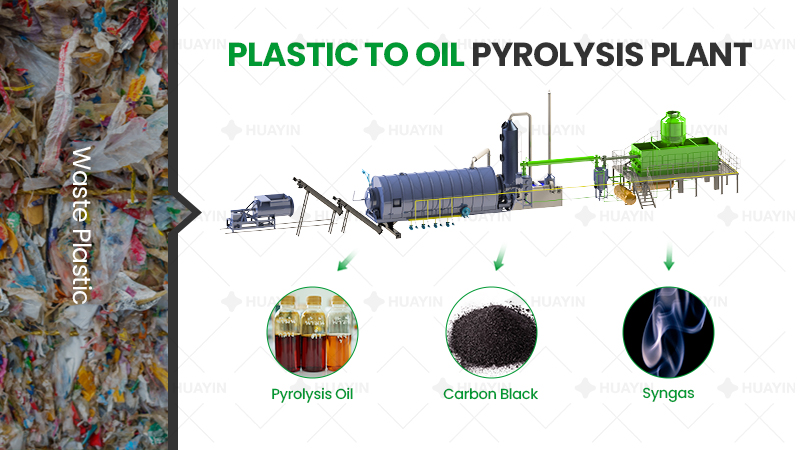
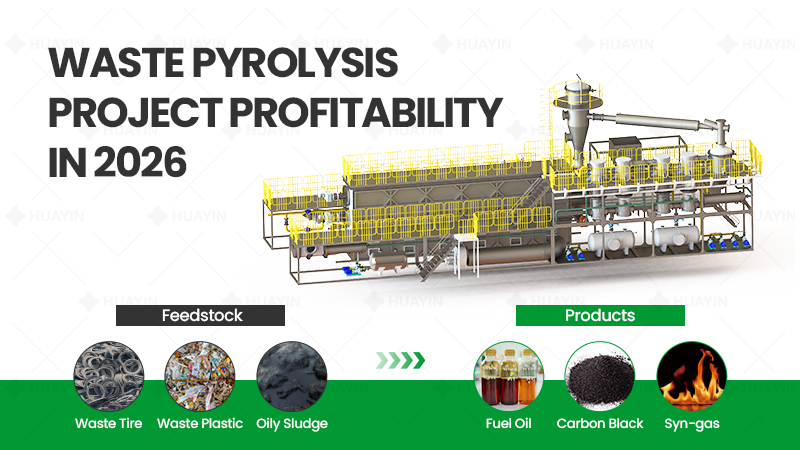
As global demand for waste recycling and alternative fuel continues to grow, pyrolysis technology is attracting increasing attention from investors. However, not every pyrolysis project succeeds. In this article, we explore the most common reasons and how investors can avoid costly mistakes.
1. Feedstock Selection
One of the biggest reasons pyrolysis projects fail is unstable or unsuitable feedstock supply.
Many investors underestimate the importance of raw material availability. During the pyrolysis production, if feedstock prices suddenly increase or supply becomes unstable, profitability can quickly decline. In addition, not all materials are suitable for pyrolysis. For example, plastics such as PE, PP, and PS generally produce higher oil yields, while materials like PVC and PET can create excessive impurities and environmental concerns.

So before investing, ensure you have a stable, long-term source of suitable raw materials at a competitive cost.
2. Pyrolysis Technology Selection
Not all pyrolysis plants are designed for the same operational needs. Some investors purchase pyrolysis equipment based only on price, without considering factors such as processing capacity, automation level, labor costs, or production goals. As a result, the chosen equipment may fail to meet long-term operational demands.
For example: batch pyrolysis plants are suitable for smaller-scale operations and lower investment budgets, while fully continuous pyrolysis plants are ideal for large-scale, high-efficiency production with reduced labor costs and stable operation.
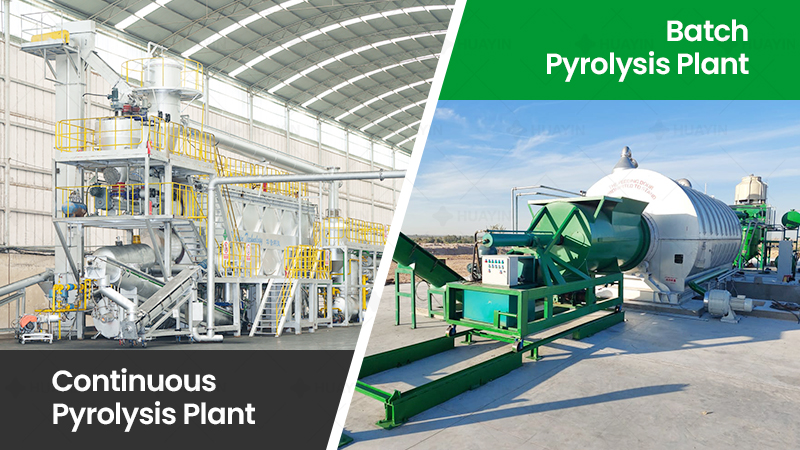
So select equipment based on feedstock type, daily capacity requirements, labor costs, and long-term business goals—not just initial investment price.
3. Environmental Protection Compliance
Now environmental regulations are becoming increasingly strict in many countries. While some investors focus heavily on oil output and profitability but overlook emission control systems. Poor exhaust gas treatment, unpleasant odors, or wastewater issues can lead to government penalties, shutdowns, or permit delays.
Modern pyrolysis plant should have standard environmental protection systems to avoid exhaust gas, dust, waste water pollution during the production process to meet the emission standards in various countries.
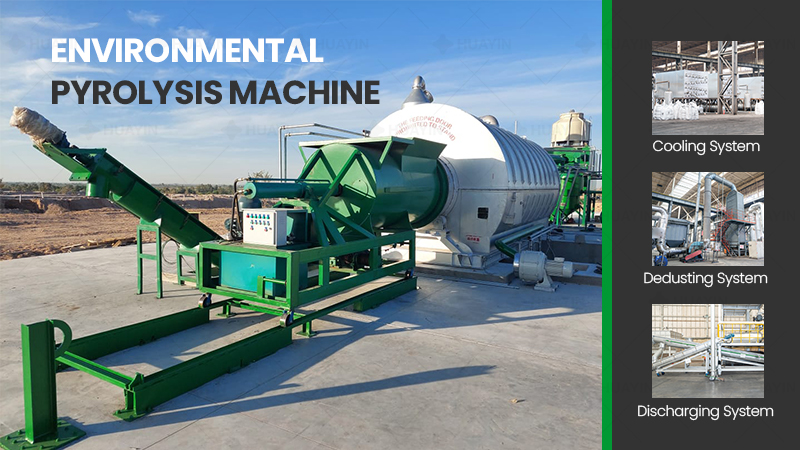
So environmental compliance should be part of the investment plan from the beginning, not an afterthought.
4. Technical Support and After-sale Service
Pyrolysis equipment is a long-term industrial investment. Technical support matters.
Some projects fail because investors purchase from suppliers with limited engineering experience or weak after-sales support. Equipment installation delays, operator training issues, or maintenance problems can affect production efficiency. Working with an experienced manufacturer can significantly reduce operational risks and improve plant stability.

So choose a supplier with proven project experience, technical expertise, and reliable after-sales service.
All in all, the successful operation of a pyrolysis plant project depends on many factors: feedstock, equipment, configurations, suppliers, etc. By securing stable feedstock, choosing suitable equipment, meeting environmental standards, and working with an experienced supplier, investors can improve their chances of building a successful and profitable pyrolysis business.
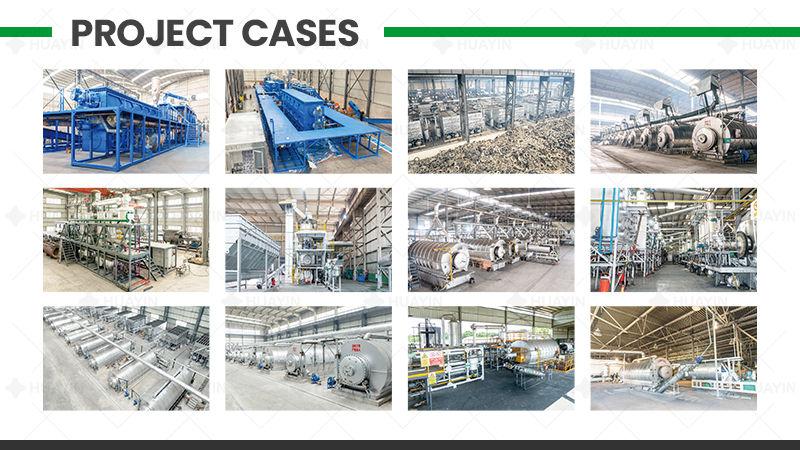
XinXiang Huayin company, professional and reliable pyrolysis plant manufacturer and supplier, whose equipment adopts the latest pyrolysis technology and customized configuration schemes to meet customer’s demands. And the equipment can also meet the EU standard in environmental protection compliance. In addition, Huayin has formed a mature engineer and service team to provide professional technical support and comprehensive service to help customers successfully set ip the pyrolysis project. For more information, welcome to contact Huayin directly!