Waste plastic is not just an environmental challenge. With appropriate recycling technologies, it can become a valuable resource for businesses. For recycling businesses, the key is choosing the right technology, securing suitable feedstocks, and identifying reliable markets for the recovered products.
1. Why Is Waste Plastic Valuable?
Many types of plastic contain recoverable material and energy value. Instead of sending suitable waste plastics to landfills or incineration, businesses can explore different recycling methods to make better use of these resources. The value of waste plastic depends on several factors, including its composition, contamination level, collection cost, and local market demand.
Common recyclable plastics include:
PP (Polypropylene): Found in packaging, containers, and household products.
PE (Polyethylene): Commonly used in plastic films, bags, and containers.
PS (Polystyrene): Used in packaging, insulation, and various consumer products.
Different plastic types require different treatment methods. Proper sorting and feedstock evaluation are essential for efficient recycling.

2. How Can Waste Plastic Be Converted into Valuable Products?
Several technologies can be used to recover value from waste plastic.
(1)Mechanical recycling: processes suitable plastics into recycled materials that can be used to manufacture new products. It is often suitable for relatively clean and well-sorted plastic waste.
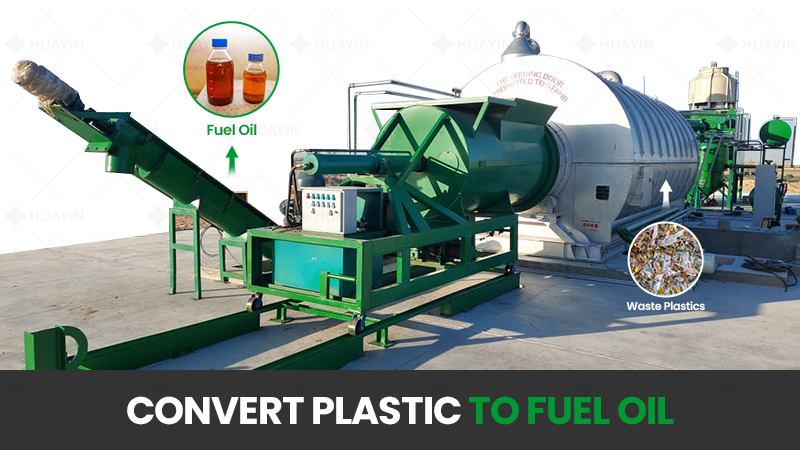
(2)Plastic pyrolysis: uses heat to decompose suitable plastics in an oxygen-free environment. Depending on the feedstock and operating conditions, the process can produce pyrolysis oil, non-condensable gases, and carbon-rich residues. Compared with the mechanical recycling, pyrolysis provides a more convenient solution, which has fewer limits about plastics and can generate more valuable products.

3. How Does Plastic Pyrolysis Recycling Work?
Plastic pyrolysis is a thermal decomposition process conducted in an oxygen-free or oxygen-limited environment designed to prevent combustion. Under controlled heating conditions, suitable plastics break down into smaller hydrocarbon compounds. The process generally includes feedstock preparation, pyrolysis, oil vapor condensation, gas purifying, and solid residue discharging.
4. What Valuable Products Can Plastic Pyrolysis Produce?
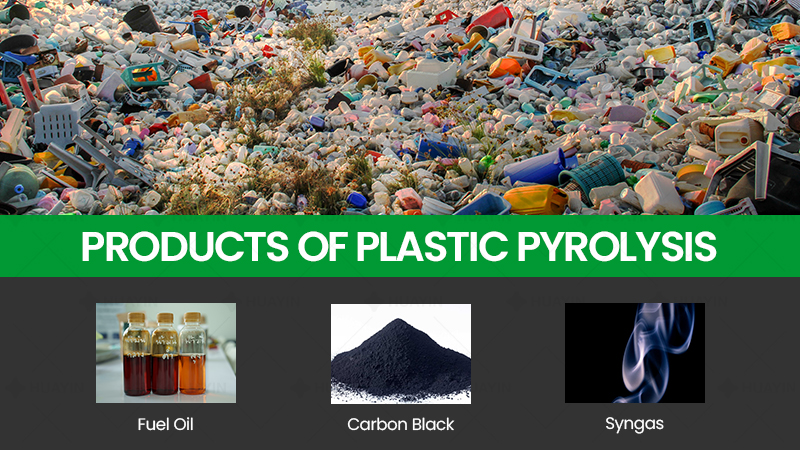
One of the main attractions of plastic pyrolysis recycling is its potential to recover several useful products. With the pyrolysis solution, we can get the plastic pyrolysis oil, carbon black, and syn-gas. Take the main product – plastic pyrolysis oil as an example, it is a good alternative fuel energy, which can be used in heavy machinery, such as cement plant, glass plant, steel plant, brick plant, etc. Also you can make further purification to get the more valuable products.
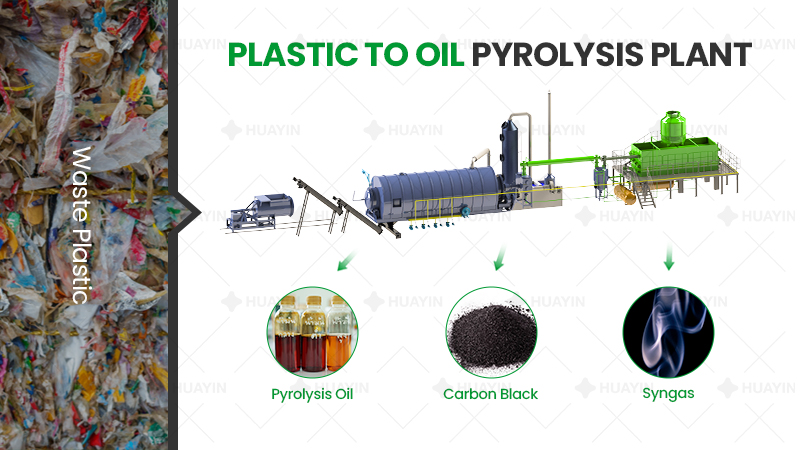
The actual product yield and quality vary according to feedstock composition, operating temperature, reactor design, and process conditions. Evaluating local product markets is therefore essential when planning a recycling project.
All in all, waste plastic is a valuable resource for recycling business, especially for the waste plastic pyrolysis industry. Over the past several years, more and more customers enter into the pyrolysis industry and have obtained profits from the pyrolysis project. If you also are interested in this project, welcome to contact Huayin. As a professional and reliable pyrolysis machine manufacturer and supplier, Huayin owns enough mature technology and abundant project experience to meet your demands. For more details, welcome to send your inquiry to us!