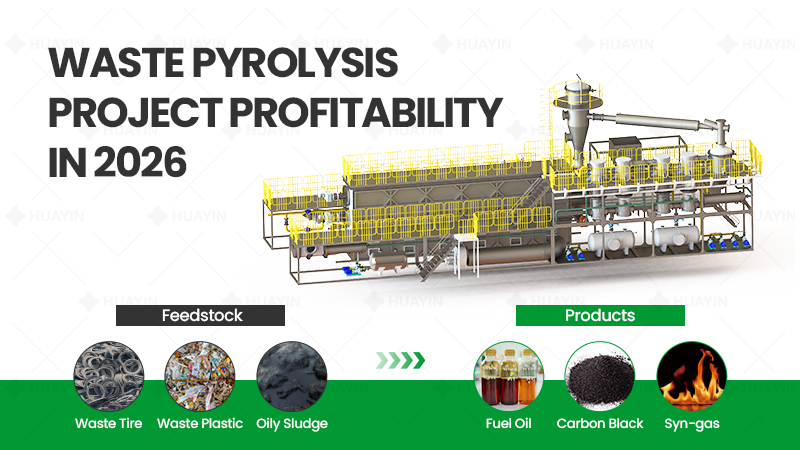
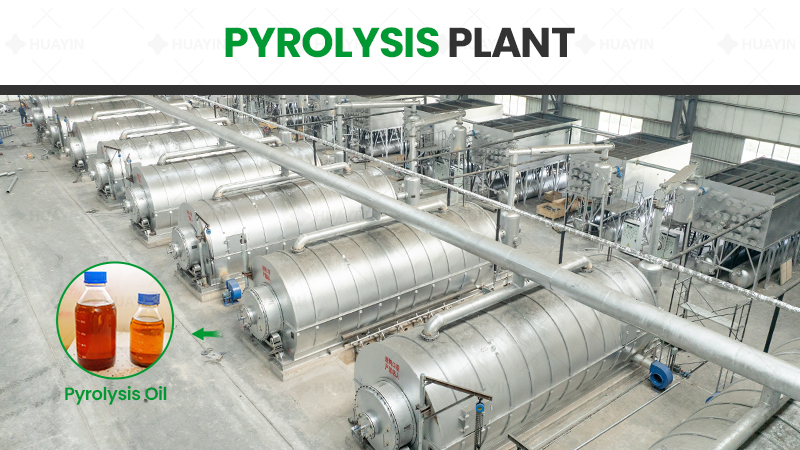
As waste management and resource recovery receive increasing attention, pyrolysis has become an option for processing certain types of waste, including waste tires, plastics, and oily sludge. Pyrolysis uses heat in an oxygen-free environment to convert suitable feedstocks into products such as pyrolysis oil, combustible gas, and solid carbon residues. These products may have different industrial applications depending on their quality and local regulations.
However, a pyrolysis project is not automatically profitable. Its commercial potential depends on the availability of suitable waste materials, the market value of the resulting products, equipment performance, and effective cost management.
- Feedstock Costs and Local Government Subsidies
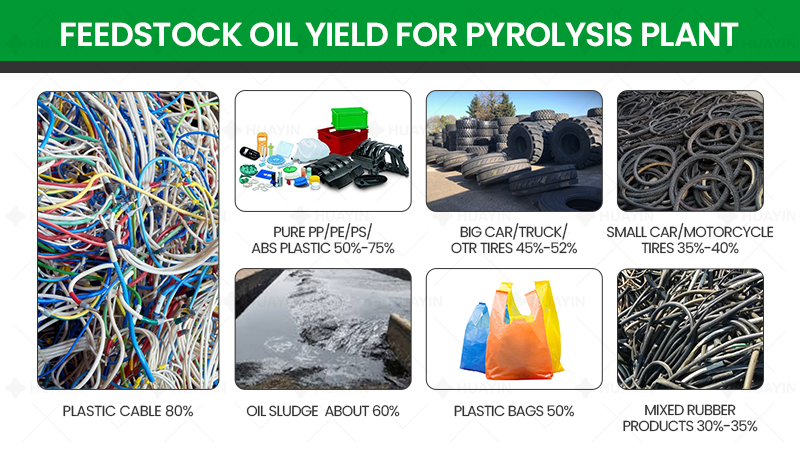
Feedstock types and prices: Waste tires, suitable plastics such as PE and PP, and certain types of oily sludge can be processed using appropriate pyrolysis systems. Their costs vary depending on local supply, material quality, pretreatment requirements, and transportation distance. Investors should compare local supplier quotations before choosing a feedstock.
Local government subsidies: Some cities offer financial support for eligible waste recycling, resource recovery, and circular economy projects. Potential incentives may include equipment investment subsidies, tax benefits, infrastructure support, or preferential financing. However, policies and eligibility requirements vary by location.
2. Market Demand for Pyrolysis Products
Revenue depends on the quality, quantity, and marketability of the products generated.
Pyrolysis oil: Depending on its properties and applicable regulations, it may be sold for suitable industrial fuel applications in heavy oil industries, such as cement plant, glass plant, steel plant, etc. or further processed through refining.
Recovered carbon black: Tire pyrolysis can produce carbon black, whose commercial value depends on its properties and whether further processing is required.
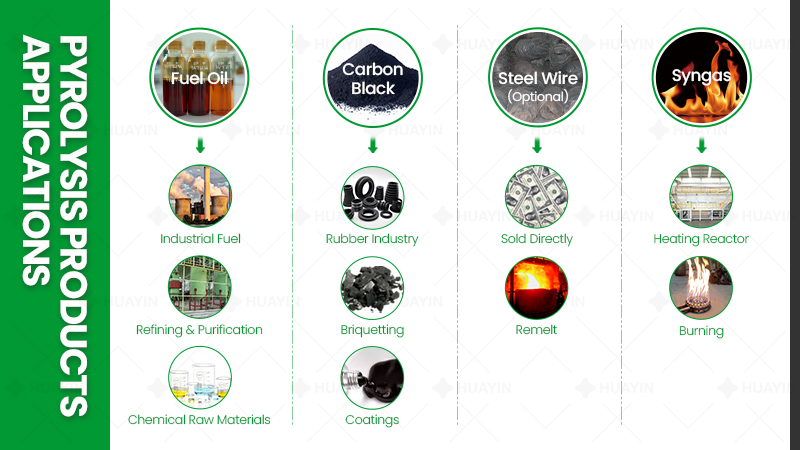
Combustible gas: After appropriate treatment and system design, some of this gas may be reused as process fuel, potentially reducing external energy consumption.
Before starting a project, investors should identify potential buyers and confirm product specifications, acceptance requirements, transportation costs, and selling prices. Estimated production volumes alone do not guarantee revenue.
3. Equipment Investment and Operating Costs
The initial investment in a waste pyrolysis plant includes more than the pyrolysis machine itself. Total project costs may include:
- Pyrolysis equipment and supporting systems.
- Feedstock preparation and conveying equipment.
- Oil storage and product handling facilities.
- Environmental protection and exhaust gas treatment systems.
- Factory construction, installation, and commissioning.
- Labor, utilities, maintenance, and spare parts.
Investors should compare the total project cost with realistic revenue estimates rather than choosing equipment based solely on its purchase price.
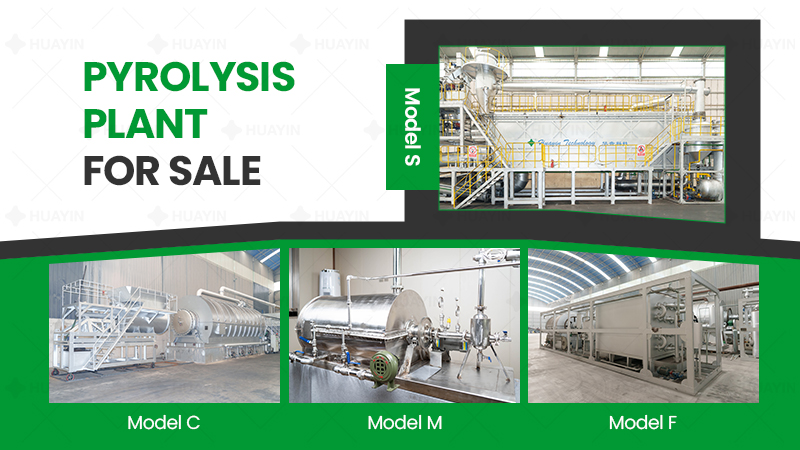
In a word, waste pyrolysis can offer promising business opportunities in 2026, but profitability depends on feedstock costs, product market demand, operating expenses, and local government policies. Careful project planning and the right equipment are essential for long-term success. If you are interested in the pyrolysis project investment, welcome to contact us, Huayin can provide detailed introduction with you!