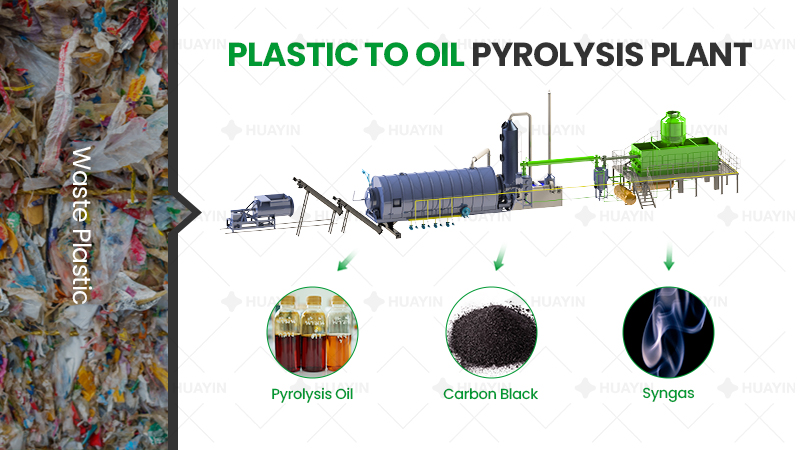
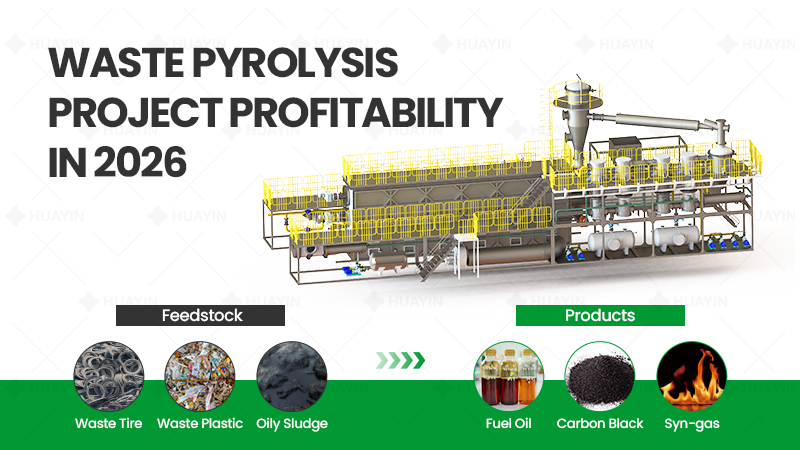
When investing in waste-to-oil solutions, many investors focus on processing capacity or oil yield. However, one critical factor is often overlooked: raw material requirements. Although both batch and continuous pyrolysis systems convert solid waste(tire, plastic, oil sludge, etc.) into valuable fuel products, they differ significantly in the types of feedstock they can handle and the level of pretreatment required.
Batch Pyrolysis: Greater Flexibility for Raw Materials
Batch pyrolysis machines are widely recognized for their strong adaptability to various feedstocks, which can process a broad range of materials with minimal pretreatment, making them an attractive option for businesses dealing with mixed or irregular waste streams.
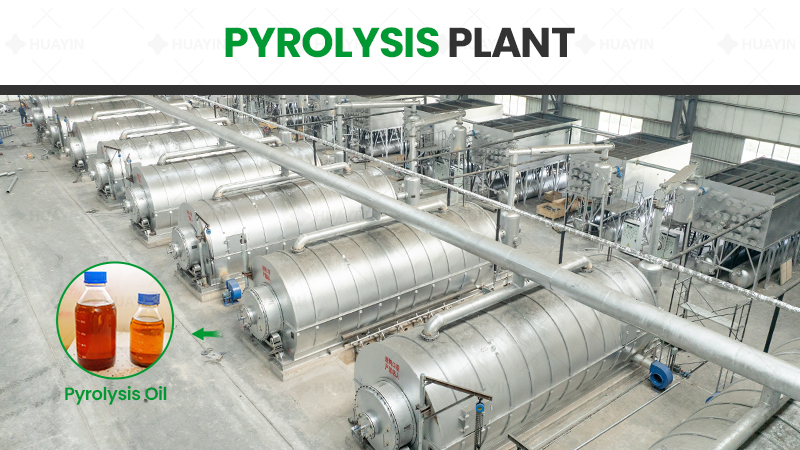
For example, batch units can handle whole tires, shredded tires, mixed plastic waste, oil sludge and other irregular feedstocks without strict size requirements. In most cases, there is no need for fine crushing or highly standardized sorting before feeding.
This flexibility reduces preprocessing costs and allows operators to make use of available materials more efficiently. For projects where feedstock sources are inconsistent or difficult to standardize, batch pyrolysis often provides a more practical and economical solution.
Continuous Pyrolysis: Higher Standards, Higher Efficiency
Compared with batch systems, continuous pyrolysis equipment requires more standardized raw materials. Feedstock usually needs to be pre-crushed into a uniform size to ensure smooth, stable, and continuous feeding throughout the production process.
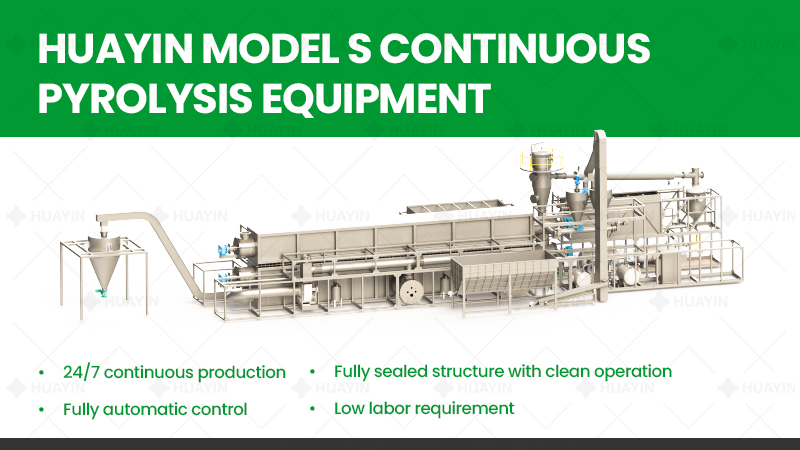
Although this adds an extra pretreatment step, the benefits are substantial. Standardized feeding helps improve oil yield, operational stability, and overall production efficiency. For customers targeting industrial-scale production and stable output, the additional preparation work can result in greater long-term returns.
Choosing the Right Equipment Starts with Your Raw Materials
There is no universal answer to which pyrolysis system is better. The right choice depends largely on the type and condition of your raw materials.
If your feedstock is diverse and difficult to standardize, a batch pyrolysis system may offer greater flexibility. If you have a stable supply of uniform materials and prioritize production efficiency, a continuous pyrolysis plant could deliver better performance and profitability.
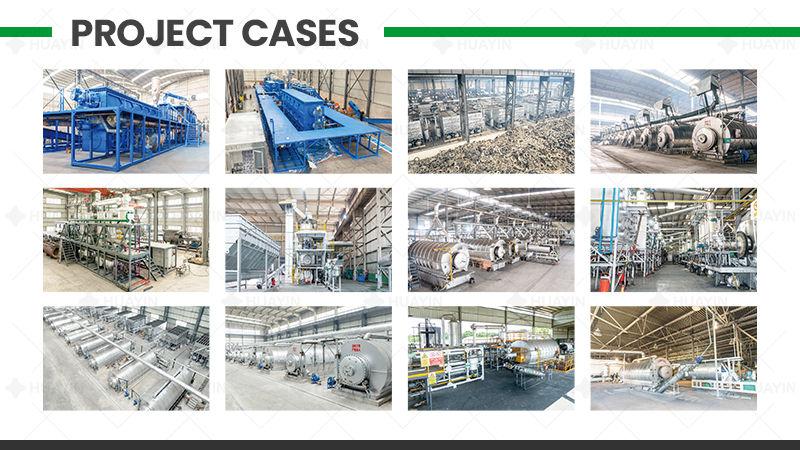
In short, there are big differences for raw material requirements between batch and continuous pyrolysis systems. and you can select the suitable equipment based on your demands. If you need, you can also send your feedstocks to Huayin, our sales manager can recommend the suitable pyrolysis machine for you. Looking forward to receiving your consulting!