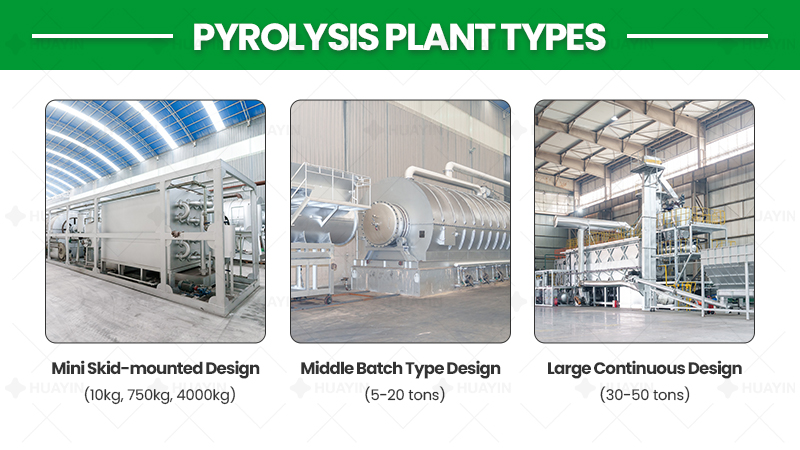
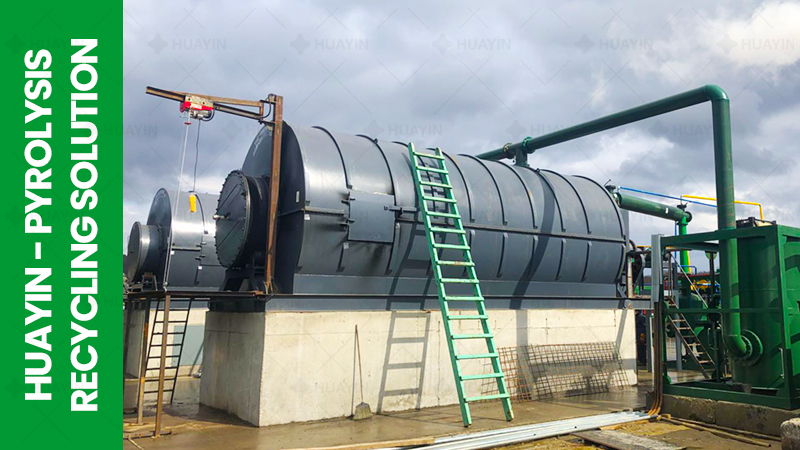
With the increasing global concern over plastic pollution and increasing demands on alternative fuel energy, many people wonder: can plastic be converted back to oil? The answer is yes. Through advanced plastic pyrolysis technology, waste plastics can be transformed into valuable fuel oil, providing both environmental and economic benefits.
The process of turning waste plastic into fuel oil is called pyrolysis. This is a thermal decomposition method that breaks down long-chain hydrocarbons in plastics without oxygen. Here’s how it works:
1. Scrap Plastics Collection
Waste plastics like polyethylene (PE), polypropylene (PP), and polystyrene (PS) are collected. Plastics like PVC and PET are avoided because they release harmful gases and will cause corrosion to the pyrolysis equipment.
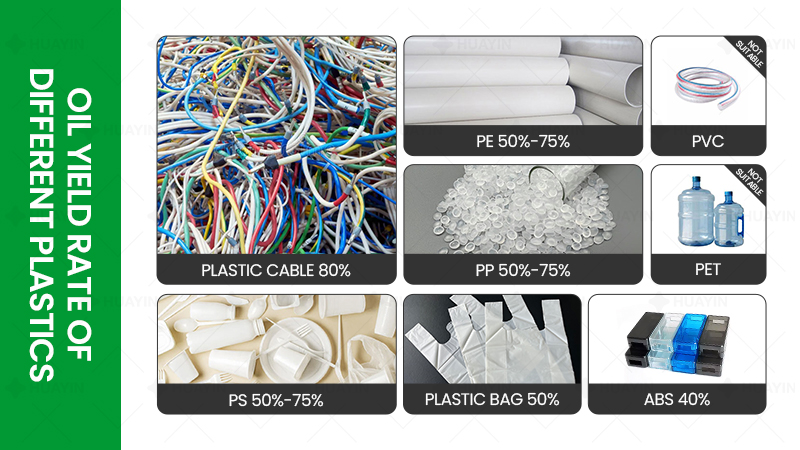
2. Heating in a Reactor
The collected plastics are fed into a pyrolysis reactor, where it is heated to temperatures typically between 350–500°C. In this oxygen-free environment, plastics break down into smaller molecules.
3. Condensation of Vapors
The gas produced from the pyrolysis reaction passes through a condensation system, turning it into liquid fuel oil.
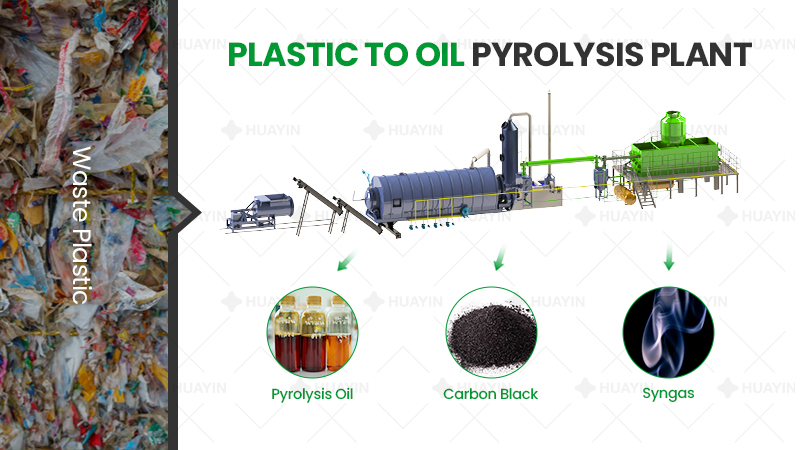
4. By-Products and Collection
The process also produces:
Combustible gas – reused to heat the reactor after purifying
Solid carbon black residue – used in construction or further processing
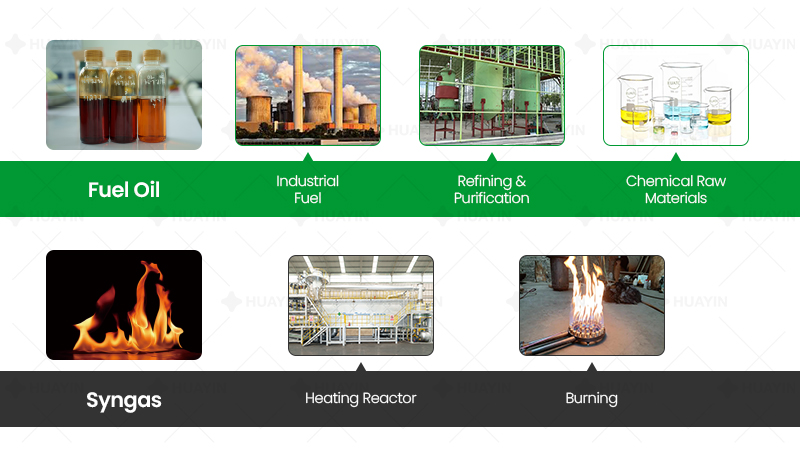
How many fuel oil can be obtained from plastic waste? Generally, take one ton of plastic waste as an example, we can generate about 700-900kg fuel oil, depending on tire types and equipment performance. Of course, the better the quality of the recycled plastic and the more mature the pyrolysis technology, the better the yield and quality of the fuel oil we ultimately obtain.
All in all, plastic can be converted back to oil with the pyrolysis technology. With the technology, we can not only recycle plastic waste to reduce pollution, but also can generae huge profits with the obtained final products. If you are interested, welcome to send your inquiry to us!